

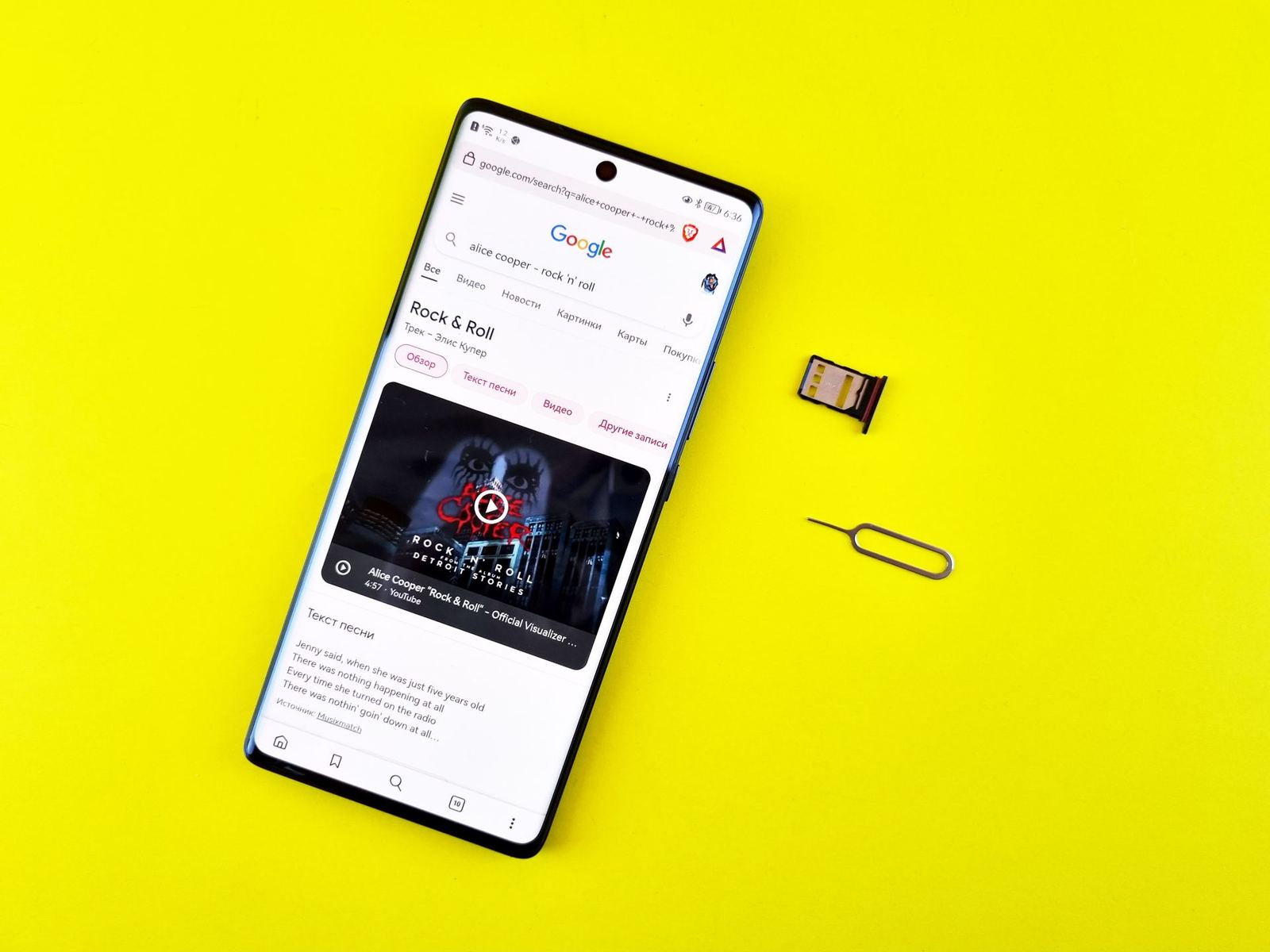
A comparison of eSIM and physical SIM in terms of setup speed, security, device compatibility and use abroad.
Most phone makers now produce devices that support both a physical SIM and eSIM. So which should you choose? The answer depends on your usage habits, your device and how often you travel. The comparison below will help you decide.
Activation speed
With eSIM your line becomes active in about five minutes by verifying ID in the app and scanning a QR code. A physical SIM needs delivery or dealer collection; at the fastest same day, often one to two days. If you need it urgently, eSIM is far ahead.
Security
Because an eSIM is embedded in the device, it cannot be removed from a stolen phone and put in another; that is an extra layer against SIM-swap fraud. But moving an eSIM profile to a new device must also be done securely, with methods such as face verification. At Lavanta an eSIM transfer is possible only in the app with biometric verification.
Device compatibility
Many mid-range and premium phones, tablets and smartwatches released in recent years support eSIM. Older or entry-level devices may support only a physical SIM. If your device settings have no eSIM option under SIM manager, it does not support it.
Use abroad
Because eSIM can store multiple profiles on the same device, on trips abroad you can easily add a local or roaming eSIM as an extra profile. With a physical SIM you need a dual-SIM slot for a second line or must swap cards.
Dual lines
eSIM is ideal for those who separate work and personal lines: using an eSIM together with a physical SIM you can carry two numbers on one phone. Many devices support two eSIMs and one physical SIM at the same time.
When a physical SIM?
- If your device does not support eSIM
- If you often swap the SIM into another phone (for example a backup phone)
- If you cannot use a smartphone camera for ID verification
Conclusion
If your device supports it, eSIM is faster, safer and more flexible for most users. Still, a physical SIM option is always free at Lavanta. You can change the SIM type in the app at any time.
What happens when you change phones?
With a physical SIM you simply move the card to the new phone, though sometimes the card size (nano) is incompatible. With eSIM you must delete the profile from the old device and move it to the new one. The eSIM transfer step in the Lavanta app does this in three minutes: you approve on the old device and scan the QR code on the new one. If the device is damaged or lost, a new eSIM is issued with ID and face verification.
Environmental impact
Every physical SIM is a plastic card and needs shipping. eSIM removes this packaging and transport carbon. For an operator opening hundreds of thousands of lines a year, this is a significant reduction.